In today’s rapidly evolving healthcare landscape, the role of health information technology is becoming increasingly vital. From improving patient care to enhancing data accuracy in medical records, the impact of digital healthcare systems is profound and far-reaching. Let’s delve into why health information technology is poised to shape the future of healthcare as we know it.
Importance of Health Information Technology in Digital Healthcare
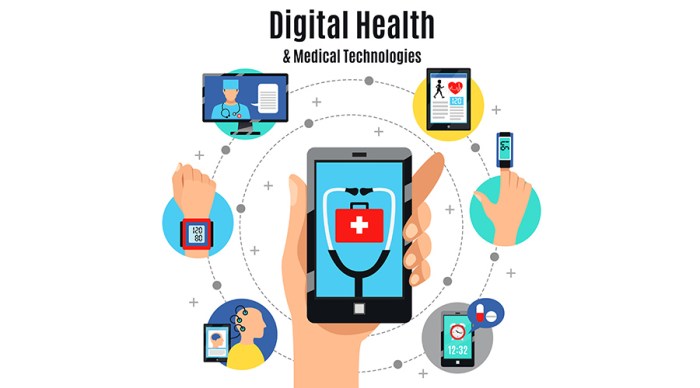
Health information technology plays a crucial role in revolutionizing the way healthcare is delivered in the digital age. By integrating technology into healthcare systems, patient care is significantly improved, processes are streamlined for healthcare providers, and data accuracy in medical records is enhanced.
Improved Patient Care
- Health information technology allows for better coordination of care among healthcare providers, ensuring that patients receive timely and appropriate treatment.
- Electronic health records enable quick access to a patient’s medical history, medications, and test results, leading to more informed decision-making by healthcare professionals.
- Telemedicine services made possible through health information technology allow patients to consult with healthcare providers remotely, increasing access to care, especially in rural or underserved areas.
Streamlined Processes for Healthcare Providers
- Digital healthcare systems automate administrative tasks such as appointment scheduling, billing, and prescription refills, allowing healthcare providers to focus more on patient care.
- Electronic prescribing systems reduce errors in medication orders and improve medication adherence among patients.
- Health information technology facilitates communication and collaboration among healthcare team members, leading to better-coordinated care and improved patient outcomes.
Enhanced Data Accuracy in Medical Records
- Electronic health records minimize the risk of errors associated with paper-based records, such as illegible handwriting or misplaced documents.
- Health information technology systems incorporate safeguards to protect patient data, ensuring confidentiality and compliance with privacy regulations.
- Data analytics tools help identify trends and patterns in patient populations, allowing healthcare providers to deliver more personalized and effective care.
Advantages of Implementing Health Information Technology
Health Information Technology (HIT) offers numerous advantages that can significantly improve healthcare delivery and patient outcomes.
Benefits of Using Electronic Health Records
Electronic Health Records (EHRs) have revolutionized the way healthcare organizations manage patient information. Some key benefits include:
- Improved Efficiency: EHRs streamline the documentation process, making it easier for healthcare providers to access and update patient records quickly.
- Enhanced Coordination: EHRs allow for seamless sharing of patient information among different healthcare providers, leading to better coordination of care.
- Increased Accuracy: EHRs reduce the likelihood of errors associated with paper-based records, improving patient safety and treatment outcomes.
Telemedicine Platforms Transforming Patient-Doctor Interactions
Telemedicine platforms are reshaping the way patients interact with healthcare providers, offering benefits such as:
- Convenience: Telemedicine enables patients to consult with healthcare professionals remotely, eliminating the need for in-person visits and reducing wait times.
- Access to Specialists: Telemedicine allows patients in remote or underserved areas to connect with specialists and receive expert care without geographical limitations.
- Cost-Effectiveness: Telemedicine can reduce healthcare costs for both patients and providers by minimizing travel expenses and increasing operational efficiency.
Impact of Wearable Health Technology on Monitoring Patient Health Remotely
Wearable health technology has transformed the way patients monitor their health, providing benefits such as:
- Continuous Monitoring: Wearable devices enable real-time tracking of vital signs and health metrics, allowing for early detection of potential health issues.
- Promotion of Preventive Care: Wearable health technology encourages individuals to take a proactive approach to their health by monitoring lifestyle factors and making informed decisions.
- Remote Patient Management: Healthcare providers can remotely monitor patients with chronic conditions, ensuring timely interventions and personalized care plans.
Challenges and Solutions in Adopting Health Information Technology

Implementing Health Information Technology (HIT) in healthcare facilities comes with its fair share of challenges that need to be addressed to ensure successful adoption. Resistance to change, data security concerns, and interoperability issues are among the top barriers faced by healthcare organizations.
Resistance to Adopting Health Information Technology
- Resistance from healthcare professionals: Some healthcare providers may be resistant to using new technology due to fear of change or lack of training. Providing comprehensive training programs and support can help alleviate this resistance.
- Financial barriers: The initial cost of implementing HIT systems can be a significant barrier for healthcare facilities, especially smaller organizations. Exploring funding options like grants or incentives can help overcome this challenge.
Data Security and Privacy Concerns
- Ensuring compliance with regulations: Healthcare organizations must comply with regulations such as HIPAA to safeguard patient data. Implementing robust security measures like encryption and access controls can help address these concerns.
- Regular audits and monitoring: Conducting regular audits and monitoring of HIT systems can help identify and mitigate security vulnerabilities before they are exploited by malicious actors.
Future Trends in Health Information Technology
In the rapidly evolving landscape of healthcare, the future of digital healthcare is closely intertwined with advancements in Health Information Technology (HIT). Let’s explore some of the emerging trends shaping the future of HIT:
Artificial Intelligence and Machine Learning in Healthcare
Artificial Intelligence (AI) and Machine Learning (ML) have the potential to revolutionize healthcare by enabling predictive analytics, personalized medicine, and automation of routine tasks. AI-powered systems can analyze vast amounts of data to assist healthcare providers in making more accurate diagnoses and treatment decisions.
Blockchain Technology for Securing Health Data
Blockchain technology is gaining traction in healthcare for its ability to securely store and share sensitive health information. By utilizing blockchain, health data can be encrypted, decentralized, and tamper-proof, ensuring patient privacy and data integrity. This technology has the potential to streamline interoperability and enhance data security across the healthcare ecosystem.
Integration of Virtual Reality and Augmented Reality in Healthcare
Virtual Reality (VR) and Augmented Reality (AR) are revolutionizing medical training, patient care, and therapy. Healthcare professionals can now simulate complex surgical procedures, provide immersive training experiences, and offer innovative therapies using VR and AR technologies. These immersive technologies hold great promise in enhancing patient outcomes and improving healthcare delivery.
Conclusive Thoughts
As we look ahead to the future of healthcare, it’s evident that health information technology will play a central role in driving innovation and revolutionizing the way we approach patient care. With advancements like artificial intelligence, blockchain technology, and virtual reality on the horizon, the possibilities are limitless.
Embracing these technologies is not just a choice but a necessity in ushering in a new era of digital healthcare.
FAQ Section
How does health information technology improve patient care?
Health information technology enhances patient care by streamlining processes, improving data accuracy in medical records, and facilitating better communication among healthcare providers.
What are the benefits of implementing electronic health records?
Implementing electronic health records offers benefits such as increased efficiency, improved patient outcomes, and better coordination of care among healthcare organizations.
What challenges do healthcare facilities face in adopting health information technology?
Healthcare facilities may encounter barriers such as resistance to change, lack of training, and concerns about data security and privacy when adopting health information technology.