Embark on a journey through the realm of Digital Identity Cyber Security: Everything You Need to Know. Delve into the intricacies of safeguarding digital identities in today’s cyber landscape, exploring the risks, best practices, and emerging technologies that shape this critical domain.
Unravel the complexities of digital identity theft, encryption, multi-factor authentication, and more as we navigate the evolving landscape of cyber security.
Overview of Digital Identity Cyber Security
Digital identity cyber security refers to the measures and practices put in place to protect individuals’ online identities from unauthorized access, theft, or misuse. It involves safeguarding personal information, login credentials, and other sensitive data stored and transmitted over the internet.
Importance of Securing Digital Identities
- Protecting Privacy: Securing digital identities helps prevent unauthorized access to personal information, ensuring privacy and confidentiality.
- Preventing Identity Theft: Cybercriminals often target digital identities to commit fraud, steal money, or engage in illegal activities using someone else’s identity.
- Securing Online Transactions: Ensuring the security of digital identities is crucial for safe online shopping, banking, and other transactions that involve sensitive data.
Risks and Threats of Digital Identity Theft
- Phishing Attacks: Cybercriminals use deceptive emails or websites to trick individuals into providing their personal information, such as login credentials or financial details.
- Data Breaches: Hackers can infiltrate databases or systems to steal large amounts of personal data, including digital identities, which can then be sold or used for malicious purposes.
- Identity Fraud: Criminals can use stolen digital identities to open fraudulent accounts, apply for loans, or commit other financial crimes, causing significant harm to the victims.
Components of Digital Identity Cyber Security
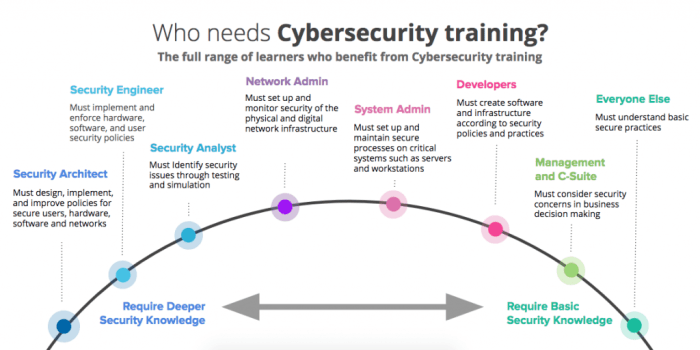
Ensuring a robust digital identity cyber security framework involves various key components that work together to safeguard sensitive information and prevent unauthorized access.
Role of Encryption in Protecting Digital Identities
Encryption plays a crucial role in protecting digital identities by converting sensitive data into a secure format that can only be accessed with the proper decryption key. This process ensures that even if unauthorized individuals intercept the data, they cannot decipher it without the encryption key.
- Encryption algorithms use complex mathematical formulas to scramble data, making it unreadable to anyone without the decryption key.
- Secure communication channels, such as HTTPS, use encryption to protect data transmitted over the internet from being intercepted and read by malicious actors.
- End-to-end encryption ensures that data remains encrypted throughout its entire journey, from sender to recipient, providing an additional layer of security.
Significance of Multi-Factor Authentication in Enhancing Security Measures
Multi-factor authentication (MFA) adds an extra layer of security by requiring users to provide multiple forms of verification before granting access to their accounts or sensitive information. This approach significantly reduces the risk of unauthorized access, even if one factor is compromised.
- MFA typically involves a combination of something the user knows (password), something the user has (smartphone for receiving a code), and something the user is (biometric data like fingerprint or facial recognition).
- By combining multiple factors, MFA makes it more challenging for cybercriminals to gain access to sensitive data, as they would need to compromise multiple layers of security.
- Popular MFA methods include SMS codes, authenticator apps, biometric scans, and physical security tokens, each providing unique verification elements to enhance security.
Best Practices for Digital Identity Protection
When it comes to safeguarding your digital identity, there are several best practices that can help enhance your security and protect your personal information from cyber threats.
Creating Strong and Secure Passwords
- Use a combination of letters (both uppercase and lowercase), numbers, and special characters in your passwords.
- Avoid using easily guessable information such as birthdays, names, or common words.
- Consider using passphrases, which are longer phrases that are easier to remember but harder for hackers to crack.
- Use unique passwords for each of your accounts to prevent a single breach compromising all of your accounts.
Biometric Authentication in Digital Identity Protection
- Biometric authentication uses unique physical characteristics such as fingerprints, facial recognition, or iris scans to verify a person’s identity.
- Biometric data is difficult to replicate, making it a secure method of authentication.
- Implementing biometric authentication adds an extra layer of security to your devices and accounts.
Regularly Updating Software and Security Patches
Regularly updating your software and applying security patches is crucial in preventing cyber attacks and vulnerabilities.
- Software updates often include patches that fix known security vulnerabilities, so keeping your software up to date is essential.
- Enable automatic updates whenever possible to ensure that your systems are always protected with the latest security enhancements.
- Regularly check for updates on all your devices, including computers, smartphones, and IoT devices, to maintain a secure digital environment.
Emerging Technologies in Digital Identity Cyber Security
Blockchain technology, artificial intelligence, machine learning, and IoT devices are revolutionizing digital identity cyber security by enhancing protection measures and threat detection capabilities.
Blockchain Technology Impact
Blockchain technology plays a crucial role in enhancing digital identity security by providing a decentralized and immutable ledger for storing sensitive information. This technology enables secure transactions, eliminates the need for intermediaries, and enhances data integrity and privacy.
Artificial Intelligence and Machine Learning in Threat Detection
Artificial intelligence (AI) and machine learning (ML) algorithms are being leveraged to detect and prevent cyber threats in real-time. These technologies analyze vast amounts of data to identify patterns, anomalies, and potential security breaches. AI and ML empower organizations to proactively respond to evolving cyber threats and minimize risks to digital identities.
IoT Devices Impact
The proliferation of Internet of Things (IoT) devices is changing the landscape of digital identity security. With the increasing connectivity of devices, there is a greater risk of cyber attacks targeting IoT ecosystems. Securing these devices and ensuring robust authentication mechanisms are essential to safeguarding digital identities in the era of IoT.
Last Recap
In conclusion, Digital Identity Cyber Security: Everything You Need to Know illuminates the crucial aspects of protecting digital identities, paving the way for a safer online experience. Stay informed, stay secure, and embrace the evolving technologies that safeguard our digital presence.
Query Resolution
What are some strategies for creating strong passwords?
Some strategies include using a mix of letters, numbers, and special characters, avoiding easily guessable information like birthdates, and utilizing password managers for added security.
How does biometric authentication enhance digital identity protection?
Biometric authentication uses unique physical characteristics like fingerprints or facial recognition to verify identity, adding an extra layer of security beyond traditional passwords.
Why is updating software and security patches important for digital identity protection?
Regular updates help patch vulnerabilities and strengthen defenses against emerging cyber threats, ensuring that digital identities remain secure and protected.